Prepare
Choose a small piece and a quiet space. Clear strong aromas and take a sip of water if useful.
An independent Indian chocolate learning academy covering bean-to-bar craftsmanship, cacao formulation science, and professional masterclasses.
Sugar is the sweet ingredient added to chocolate. It makes chocolate taste sweet and helps balance the natural bitterness of cocoa. It is usually added during chocolate making before the mixture is ground and mixed.
Click any object on the artisan workbench to explore a world of chocolate knowledge, techniques, and science.
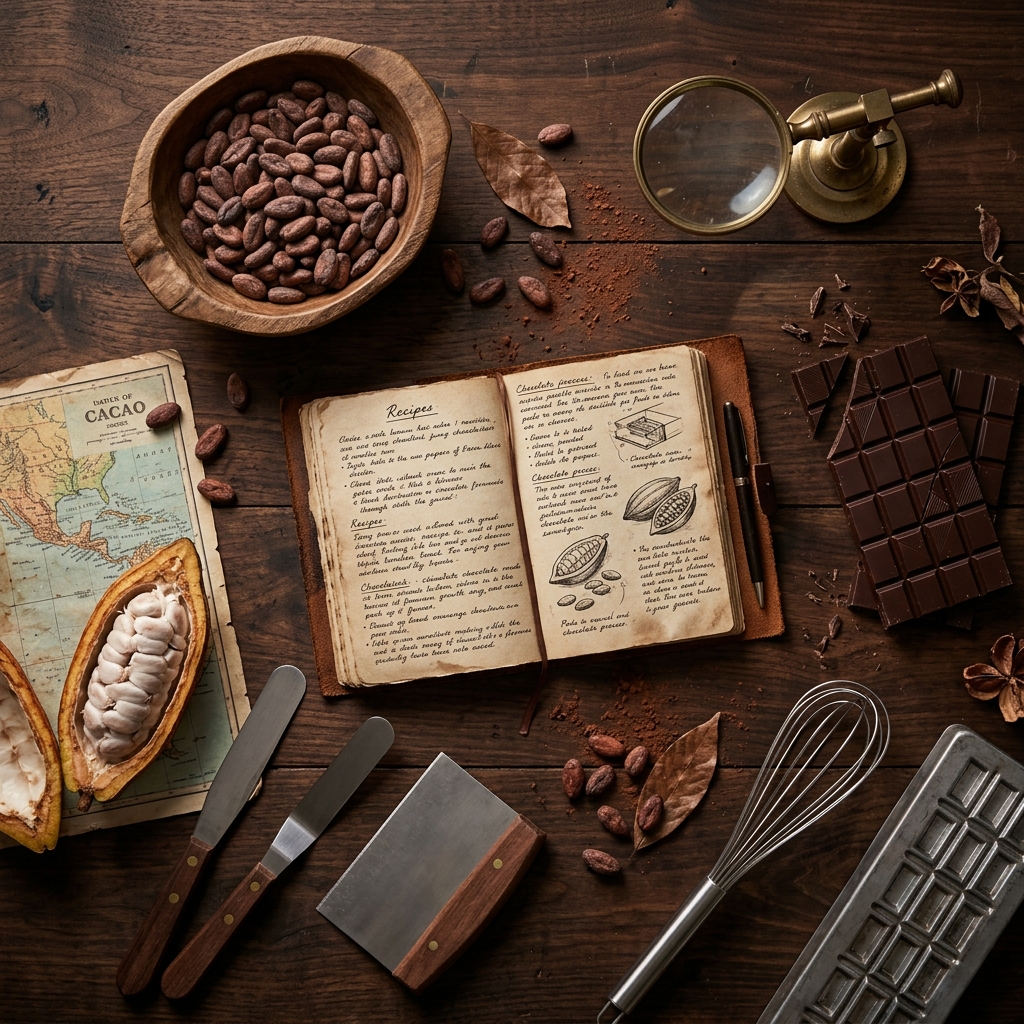
Explore the entire journey from raw cacao bean harvesting to precision roasting, winnowing, stone grinding, and tempering.
Cocoa butter sets into six polymorphs. Form V is the only lattice that delivers mirror gloss, crisp acoustic snap, and clean palate melt. Select a chocolate to inspect its thermal transition curve.
Dark carries no milk fat, so the cocoa butter crystallises cleanly and tolerates the highest working temperature. Hold above 32.5 °C and Form V starts melting out – the bar will set dull and soft.
A collection of premium, science-first chocolate workshops and masterclasses. Learn bean-to-bar making, tempering science, and recipe formulation from expert Aarti Saluja Sahni.
 Beginner to Intermediate
 Intermediate to Advanced
 Advanced Masterclass
Start with what you notice, then select any descriptor to explore its meaning, practical tasting cue, and the science behind it.
Choose any descriptor on the wheel. You can explore the science, try a small exercise, or simply continue tasting.
Your first impression is worth recording, even if it is “nothing distinctive yet.”
Move through the stages at your own pace. You can skip a step, revisit it, or stay with one sensation.
Choose a small piece and a quiet space. Clear strong aromas and take a sip of water if useful.
Look at the surface and break. A shine or snap is a clue about physical properties, not a quality guarantee.
Notice the first aroma. Pause and smell again without trying to force a particular answer.
Let a small piece melt naturally. Notice first impression, changing flavour, texture and finish.
Choose a descriptor if one helps. “I'm not sure yet” is a perfectly good observation.
A clean, calm environment makes it easier to notice subtle differences. There is no need to rush.
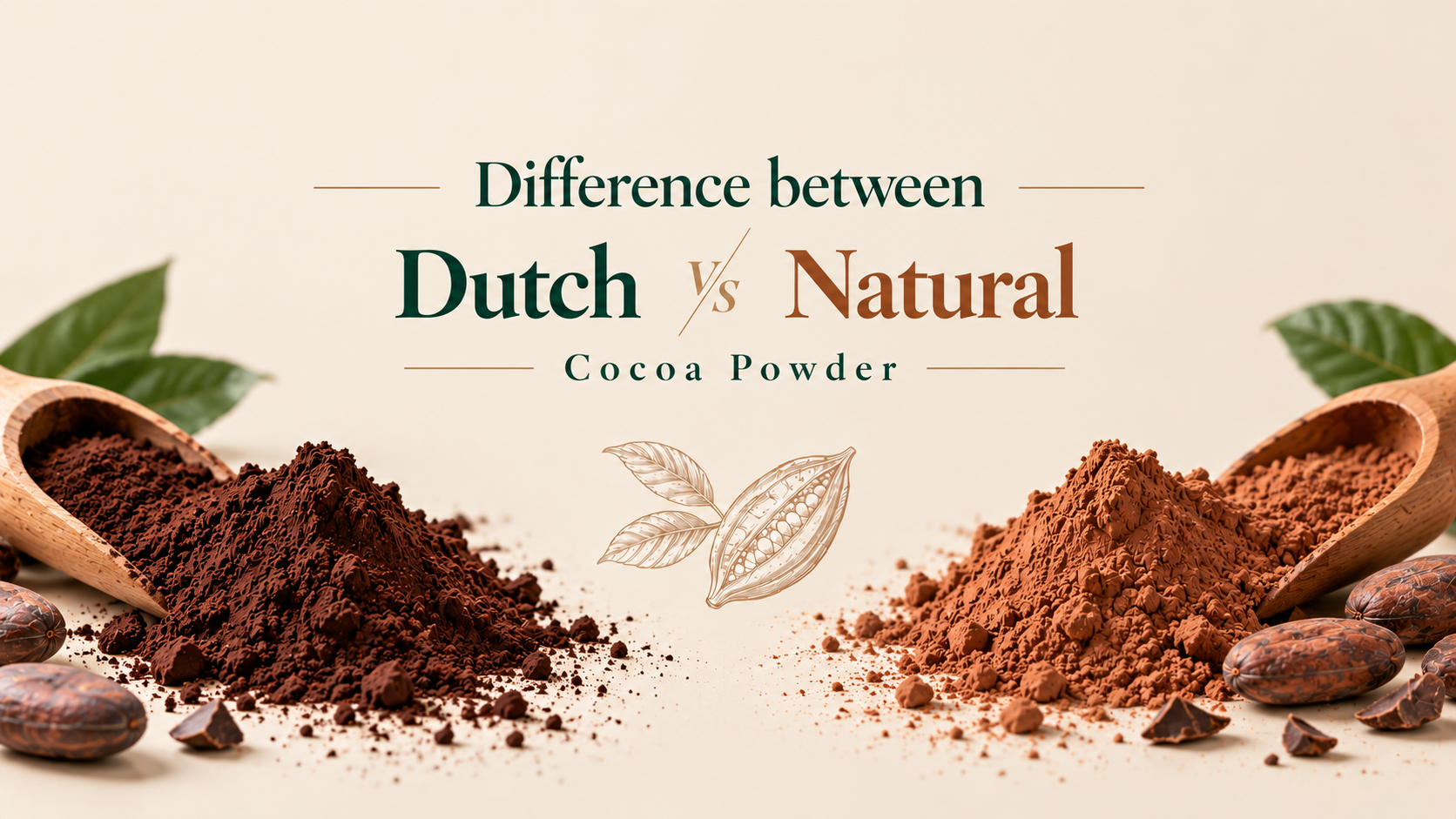
Deep-dives into cocoa powder pH, tempering crystal diagnostics, lecithin emulsion science, and bean-to-bar formulation.